

Not all cured meats are the same: Mafresa explains why quality begins with what the pig eats
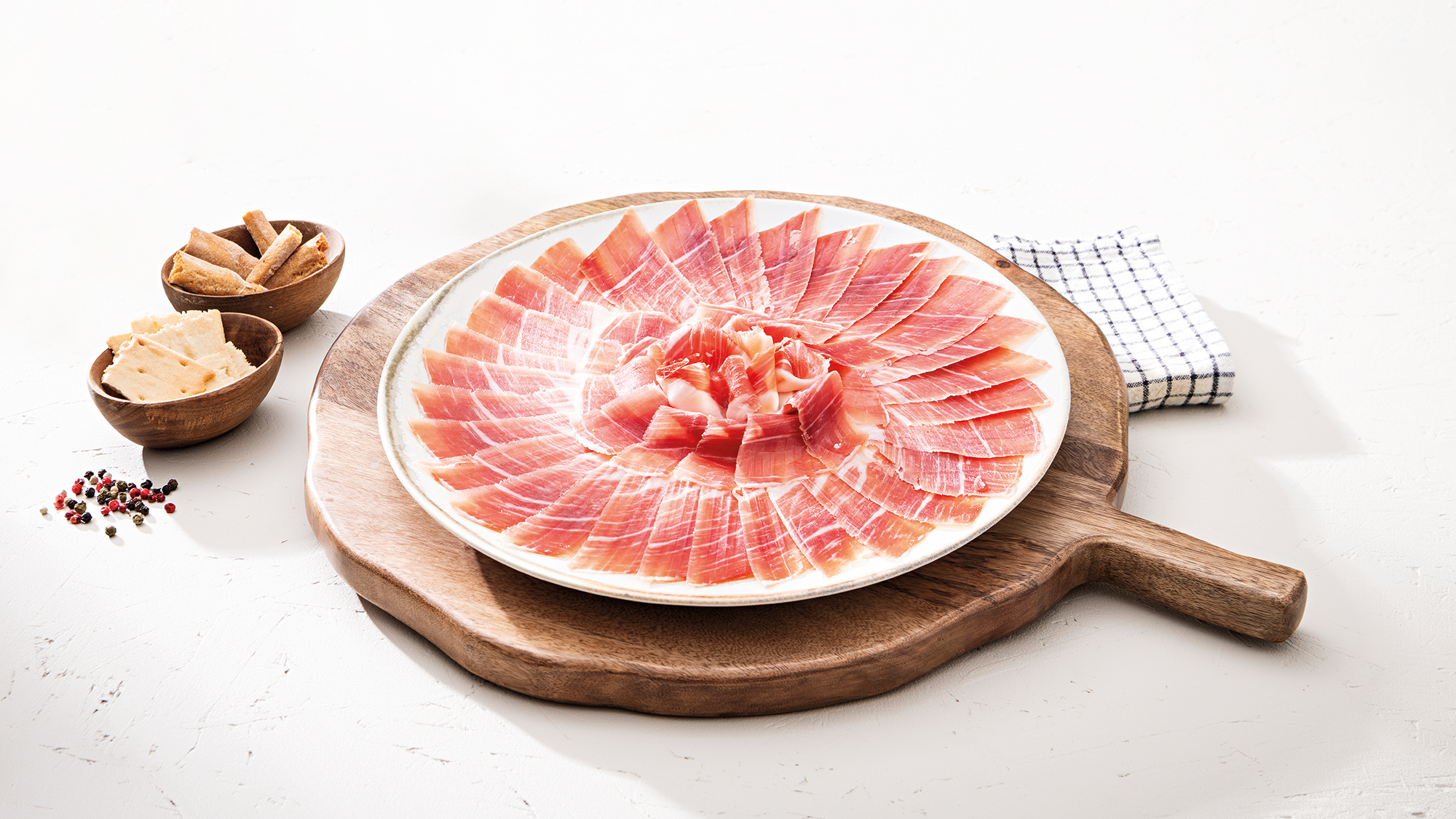
There's one question that almost no one asks when faced with a platter of cured meats: what did the pig eat?
We tend to focus on the aroma, color, or texture, but much of what we enjoy at the table was determined months earlier, out in the countryside. For Mafresa, an Extremadura-based producer of Iberian pork products established in 1993, the answer is clear: the quality of a cured meat begins with the animal's diet.
If you want to go beyond simply knowing what tastes good and understand why, this article is for you.
The Iberian breed is one of the most highly prized in the world
This breed has preserved its genetic characteristics over the centuries. The conditions under which it is raised and fed in the lands of Extremadura result in a unique texture and flavor.
One of its most recognizable features is the fat marbled into the muscle, which creates those distinctive, fine veins. This fat is a hallmark of the breed and contributes to making the meat tender and juicy.
This unique fat is also directly linked to what the animal eats. Therefore, to understand what sets the Iberian pig apart, one must first look at its diet and the environment in which it is raised.
Diet makes the difference
Not all Iberian products are the same, and one of the keys to understanding these differences lies in the animal's diet.
At Mafresa, they understand this well. That is why the animal's diet is a fundamental stage in their production process, a process in which local environmental resources and natural raw materials play an essential role in the quality of the meat.
Beyond diet, the conditions in which the animals are raised also influence the final product. For this reason, Mafresa works both with its own livestock and with local producers, applying consistent and rigorous standards to ensure quality right from the source.
It is precisely this combination of diet, rearing, and respect for the environment that yields a raw material with the very characteristics that make the Iberian pig so highly prized.
From pig to cured meat
Once the raw material has been selected, the second phase of the process begins. The meat is transformed into various Iberian pork products, blending traditional methods with the latest technology.
At Mafresa, craftsmanship remains a fundamental part of the process, where time, care, and the selection of natural ingredients help preserve the essence of the product.
Mafresa's production and curing processes take place within the same facilities, allowing for control over the product from start to finish, from the rearing stage all the way to distribution. As a result, the fresh meat, cured sausages, and other cured products reach the consumer with their original quality and characteristics intact.
What exactly is on your plate?
Finally, it is worth knowing what you are actually eating when you taste an Iberian pork product from Mafresa:
- A natural product. The Iberian pig is fed on natural, ecologically valuable resources, and this high-quality origin is reflected in the final product.
- A centuries-old lineage. This breed has maintained its genetic characteristics over time.
- A rich source of nutrients. Iberian pork provides high-quality protein, minerals, and vitamin B12. Furthermore, its fat contains unsaturated fatty acids, most notably oleic acid.
- A carefully controlled production process. Production and curing take place in the same facilities, allowing for the supervision of every stage and the preservation of the product's inherent qualities.
- A mark of quality. Mafresa's products are certified under the official quality standard for Iberian pork, ensuring compliance with all requirements established for this category.
A high-quality cured meat product tells a story that begins in the countryside, continues in the curing cellar, and concludes at your table. Since 1993, Mafresa has overseen each of these processes, combining tradition and innovation to bring the authentic Iberian flavor to consumers around the world.